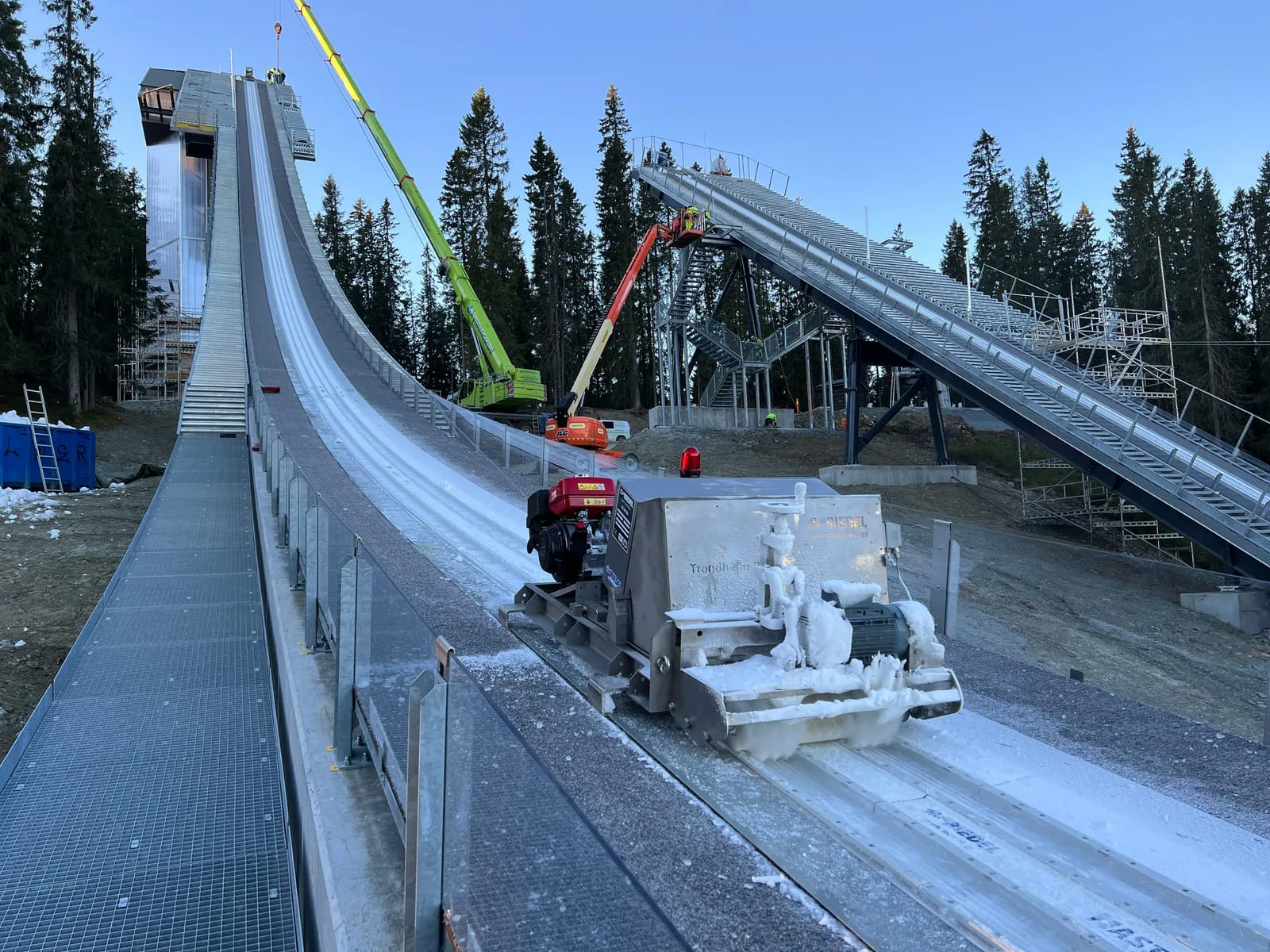
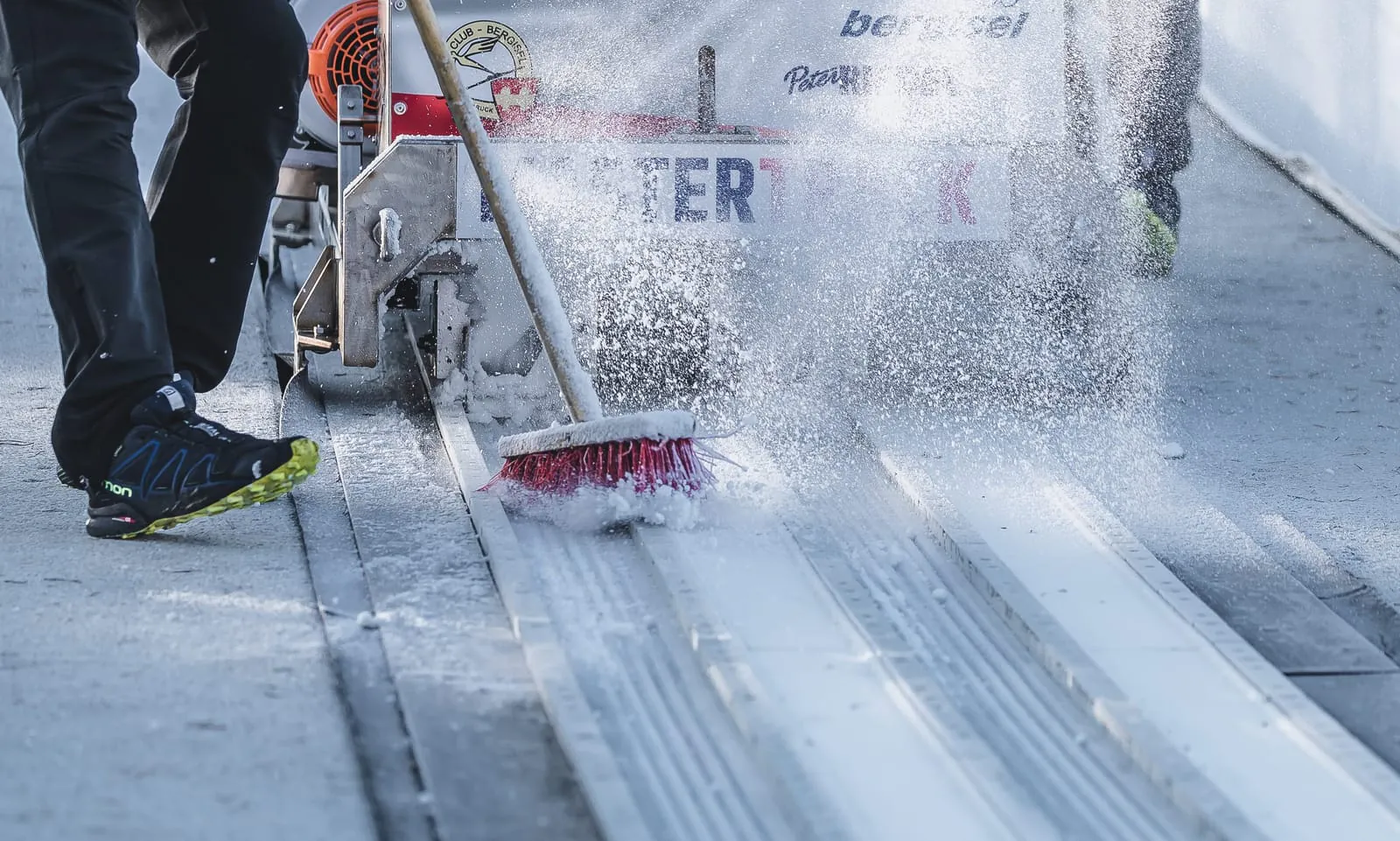
Technical approach track of an existing ski jump during ongoing plant operation

Ski jump technique for hill operators

If the track no longer runs cleanly or a technical issue becomes noticeable in operation, we clarify for ski jump operators which area is affected and what work on the existing structure is required.

Clarify technique Peter Riedel will call back

What ski jump technique means for operators in daily work

  1. Keep operation in view

    Those who know a ski jump from everyday operation often notice changes first: the track behaves differently, a boundary is no longer flush, water does not drain as usual, or a technical system behaves conspicuously. First, clearly describe the difference from normal operation.

  2. Document visible changes

    Before each training, our operating manual requires a visual inspection of the track by the operator: foreign objects, visible obstacles, changes to guides, boundaries or drainage. Jump and run-out are considered as adjacent areas during the tour. The finding is recorded, not yet technically evaluated.

  1. Document noticeable items for usable evaluation

    For technical clarification the exact area, time, operating condition and a photo help. It is also important whether the anomaly occurs permanently or only under certain weather or operating conditions. With these details it can be determined whether the track, cooling, control, winch, milling technology, or substructure may be affected.

  2. Separate observation and diagnosis

    A visual assessment indicates what is different. It does not determine whether a component can still be used, what caused the difference, or what work is required. This assessment should go to the appropriate specialist. For the systems we service, we determine which technical service fits the finding.

Classify maintenance, repair or modernization

Maintenance of an existing inrun with cooling and milling technology

Maintenance

Maintenance is considered if the existing technology is basically suitable for use and its function should be preserved. The operator provides access to the cooling system, winch, inrun and affected assemblies after the maintenance contract. During the work the inrun remains unused. We check condition, adjustment and interaction of the installed systems.
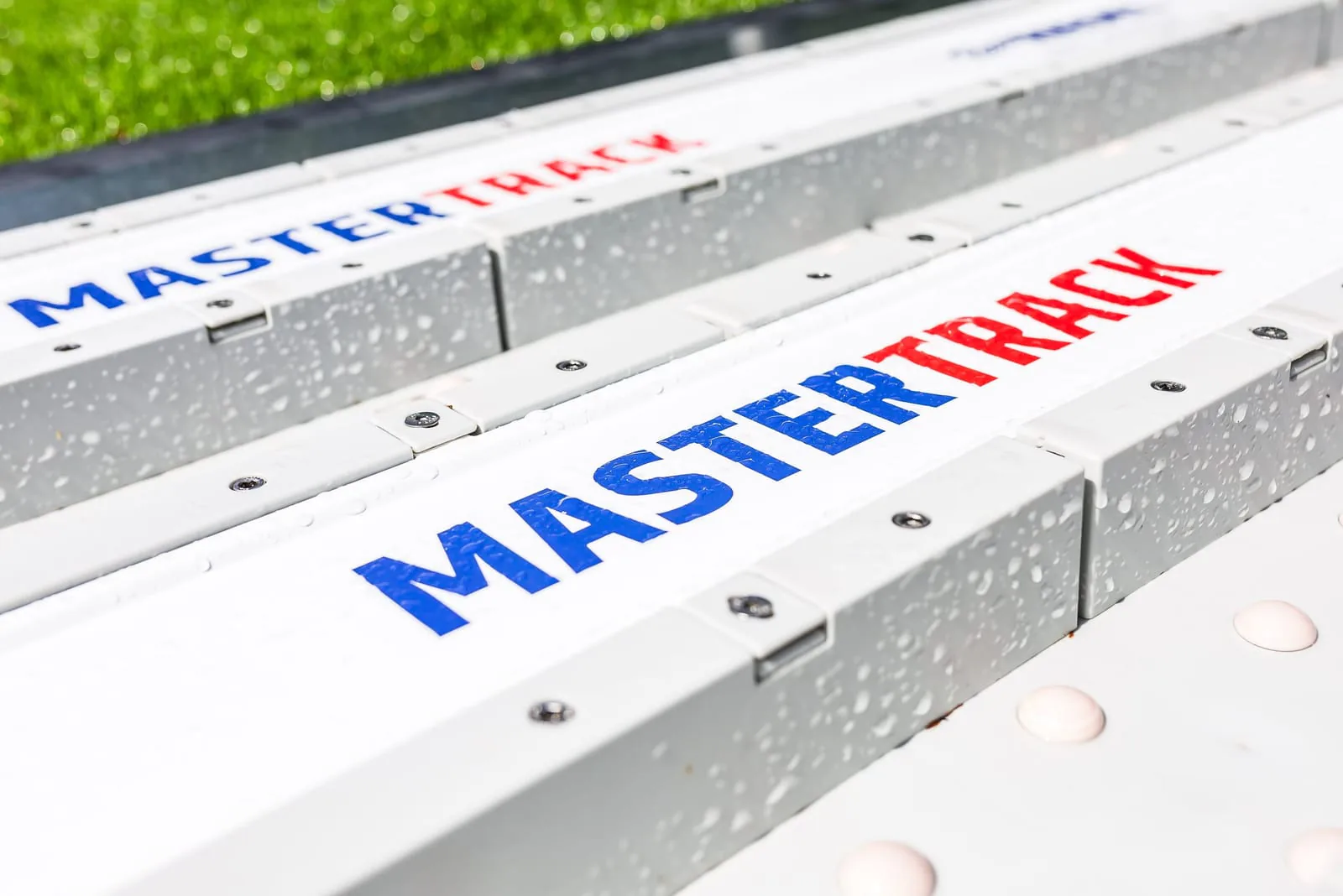
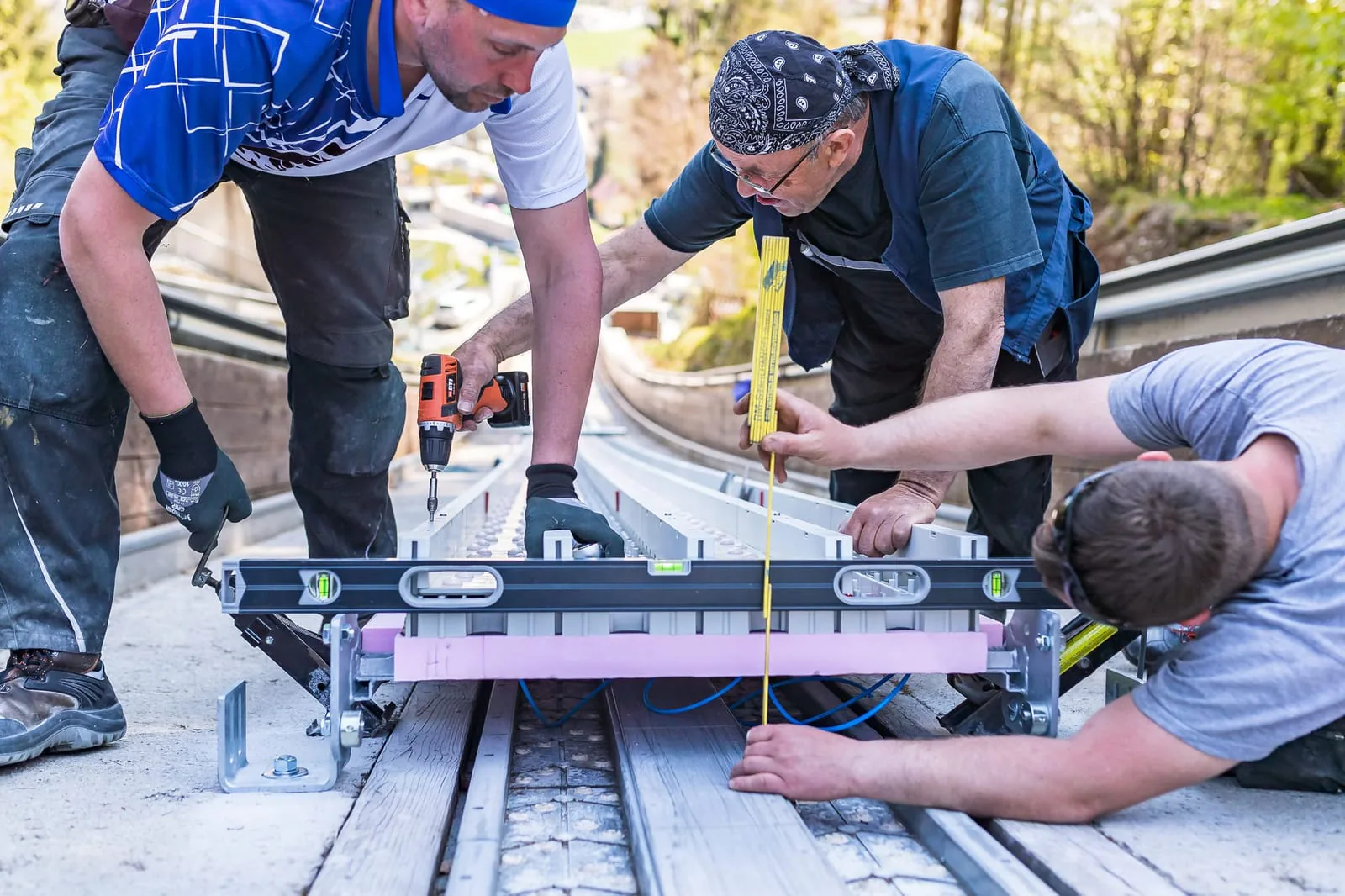
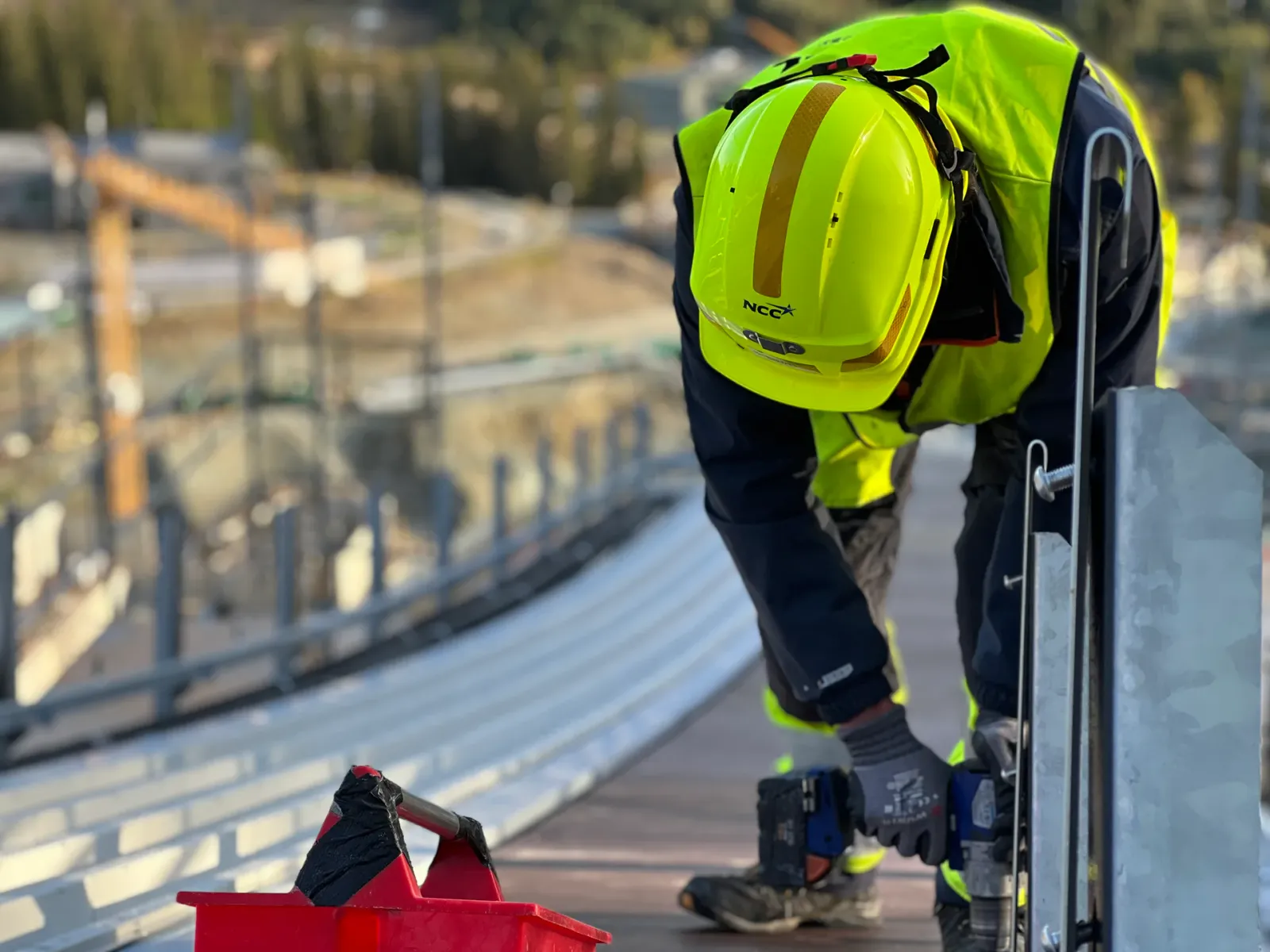
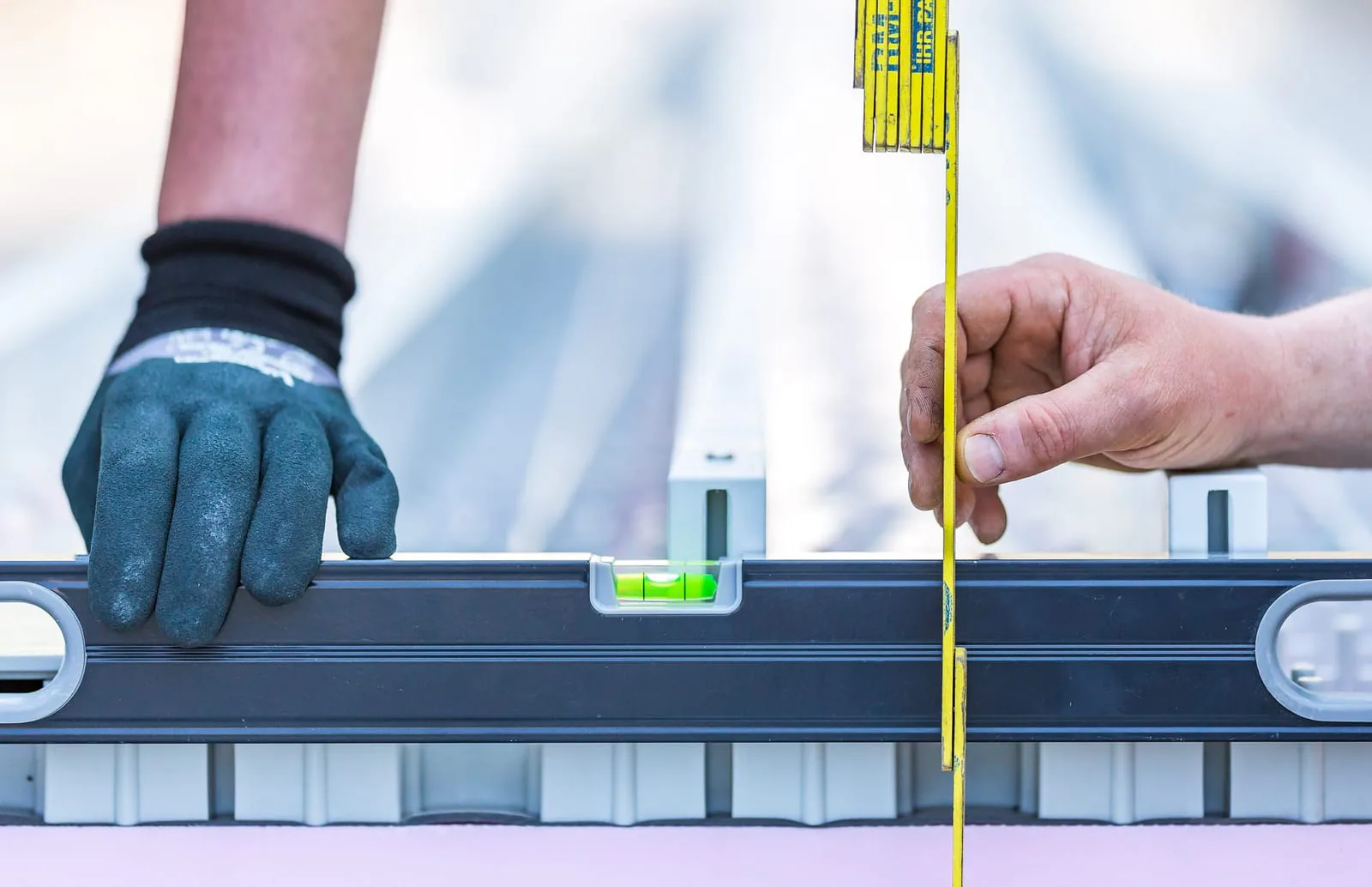
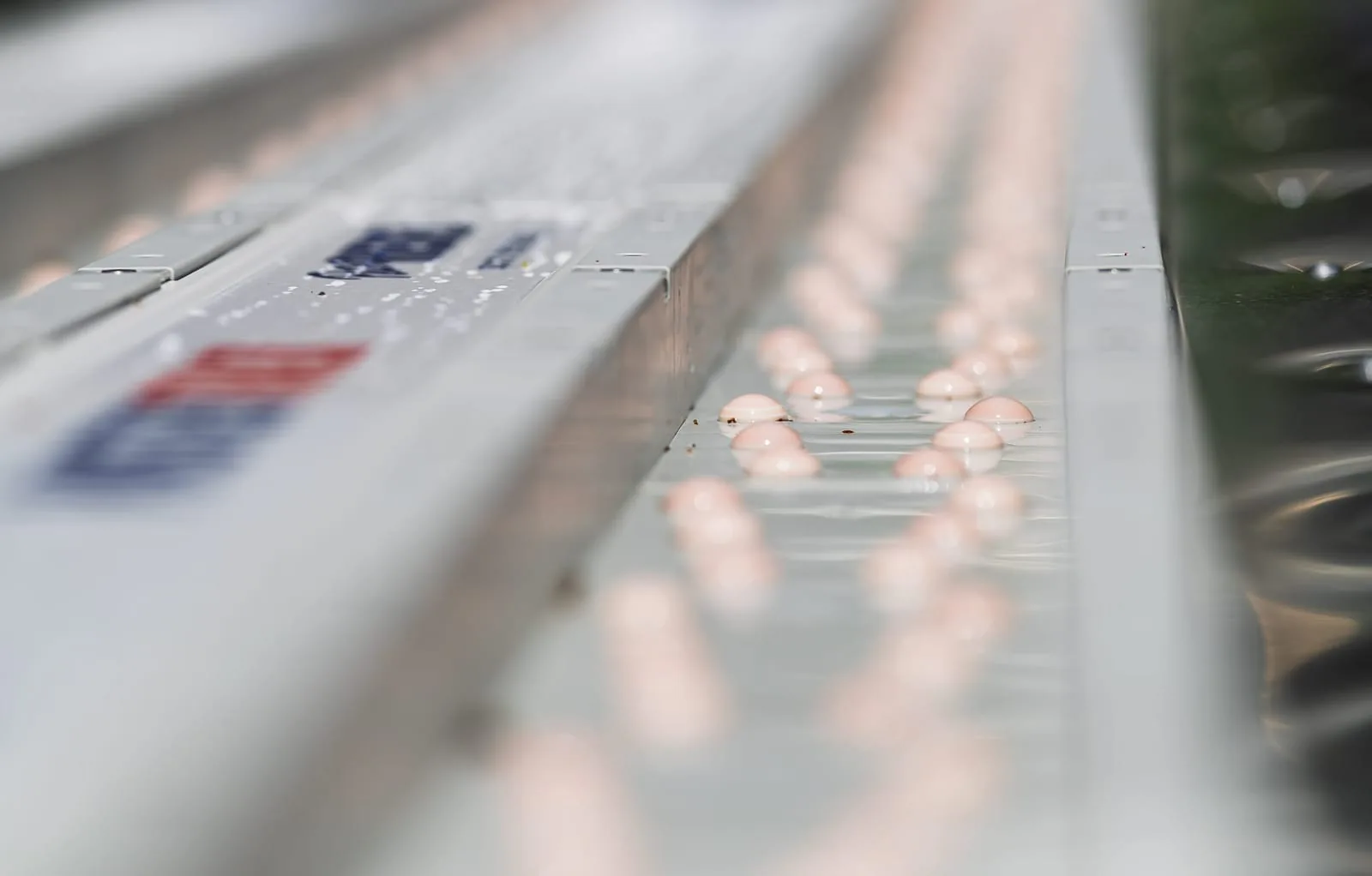
Detail view of the track guidance and boundary on a ski jumping hill

Repair

A repair targets a defined damage or a failed component. A damaged inrun element, a defective assembly, or a local deviation can be fixed without altering the overall ski jump's technical concept.

Modernization of an existing ski jump with new technology on the inrun

Modernization

Modernization becomes a topic when the existing technology no longer maps a planned use. This can involve summer operation, a changed preparation, or a central control. For this, the starting track, cooling, water management, winch, milling technology and substructure must all fit together.

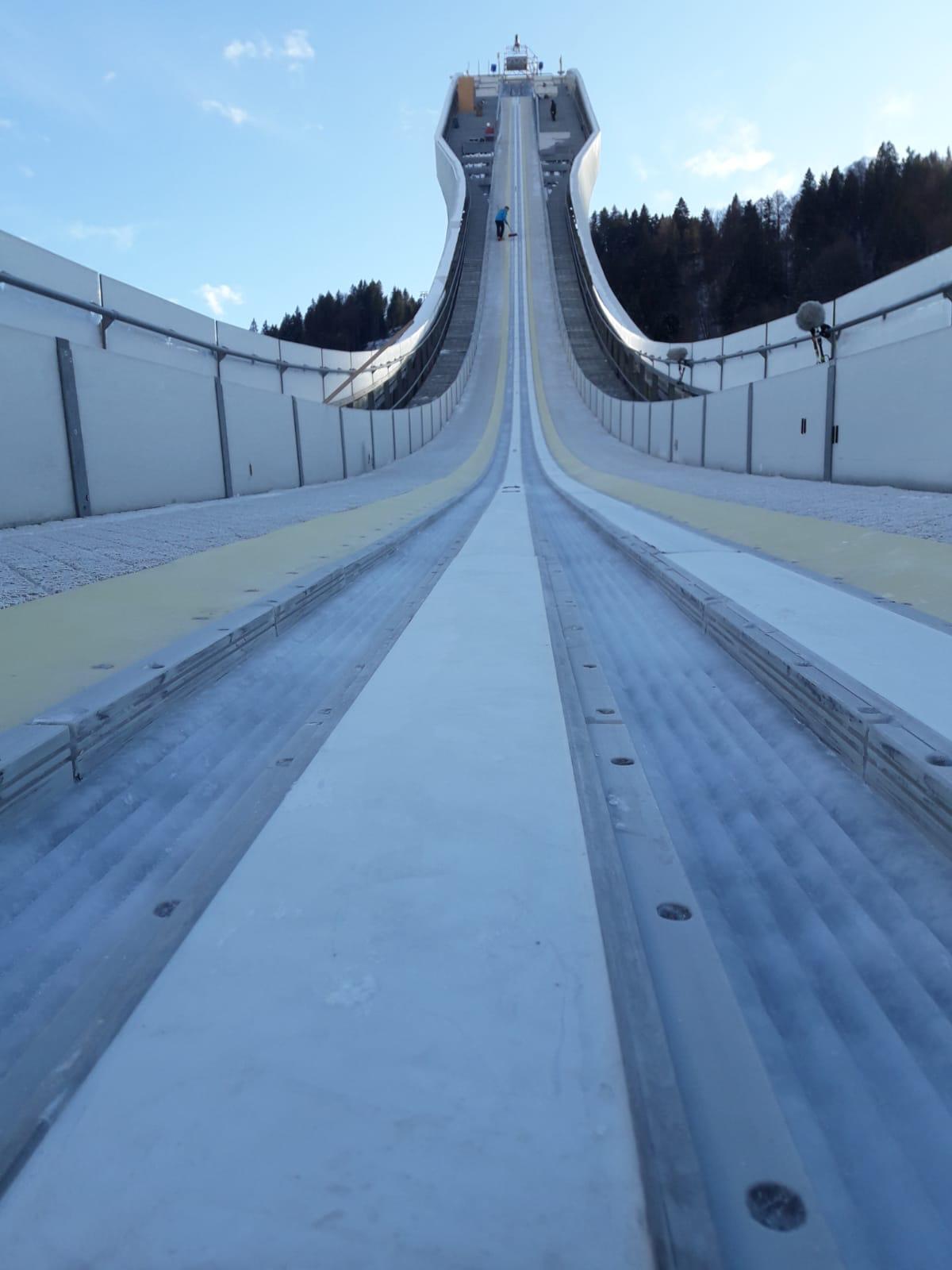
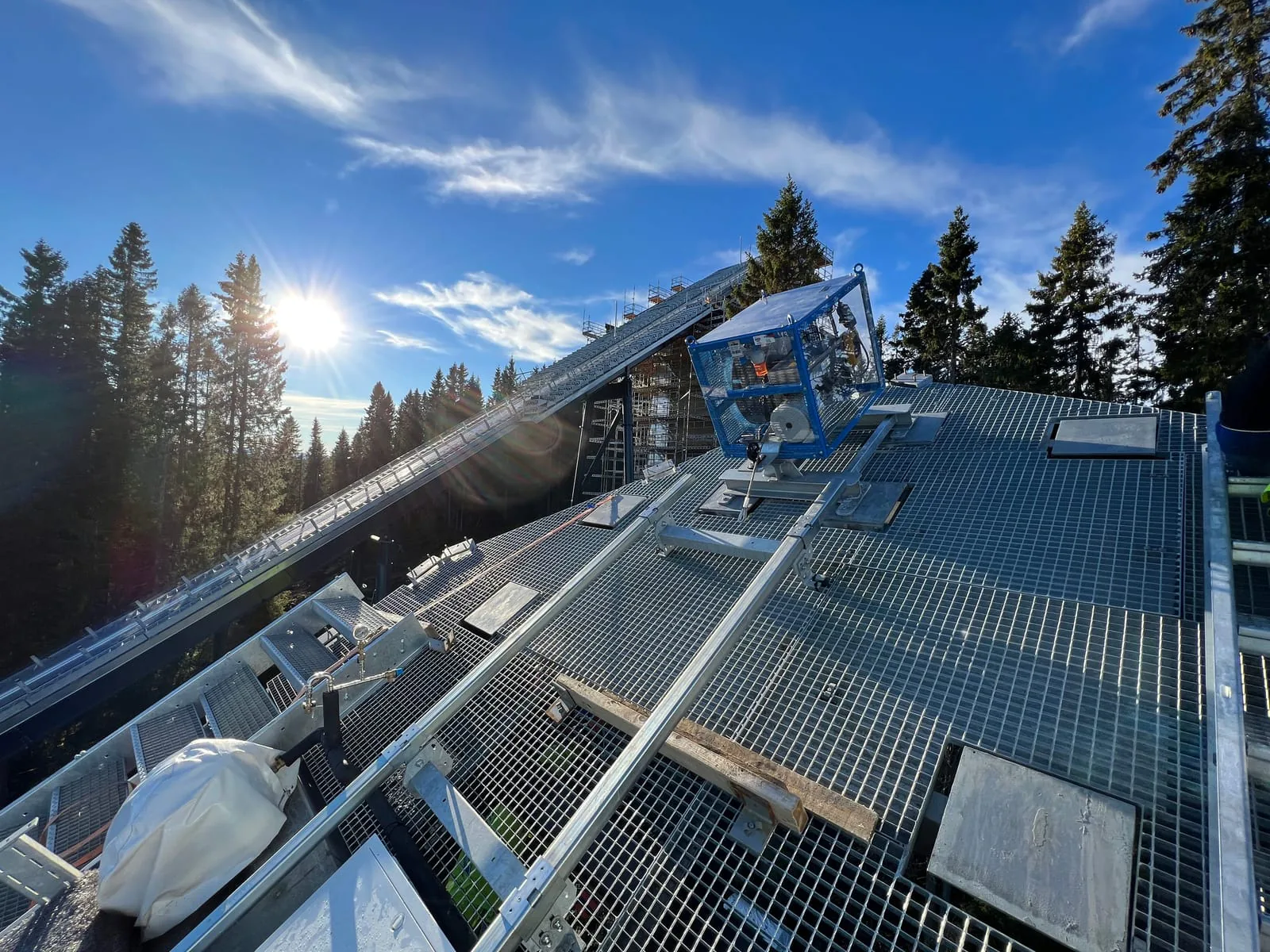
Existing starting track of the Olympic ski jump with renewed cooling and control technology

continued use of the existing structure

During a modernization, suitable parts of the existing setup can be retained. If cooling, control, or substructure technically fit the new concept, re-use is possible. This can only be decided after the inventory and examination of the interfaces.

Which specialized service fits the existing facility

  • Technical service on the landing approach of an existing ski jump

    Service

    The cause is open, several systems of the existing facility are interconnected.

  • Maintenance work on the starting track and technology of an existing ski jumping hill

    Maintenance

    Condition, adjustment and interaction of the existing technology remain.

  • Modernized take-off technique in the existing structure of a technically renewed ski jump

    Modernization

    Track, cooling, control or milling technology are being modified for a new use.

  • Cooling technology and ice track at the start area of an existing ski jumping hill

    Cooling

    Ice quality, pipelines, regulation or temperature data on the track stand out.

  • Winch and rope guidance at the technique of a ski jump

    Winch test

    The winch in the jump area requires its own inspection.

  • Porcelain nose cones of the starting track as a typical wear part

    Spare parts in online shop

    Wear parts and accessories for existing systems order directly.

Frequently Asked Questions about Ski Jumping Technology for Hill Operators

What can a operator record during a visual inspection?

An operator can record visible changes to the take-off, track, boundaries, drainage, jump, run-out and technical systems.

Does a visual inspection replace technical maintenance?

No. The visual inspection documents visible or operational changes. In maintenance, the relevant components are professionally assessed and adjusted.

What is the difference between repair and modernization?

A repair restores the function of a delineated component or system. A modernization changes the technical capability or use of the plant, for example for summer operation, adapted cooling, a new control system, or other milling technology.

What does the technical maintenance of an existing system cost?

Costs depend on the condition and structure of the existing system, affected systems, accessibility, replacement needs, on-site deployment and documentation.

What information helps with a technical request?

Helpful are location, jump type, affected area, a short description, operating status and available photos. Peter Riedel will clarify in a callback which additional information is needed for the specific task.

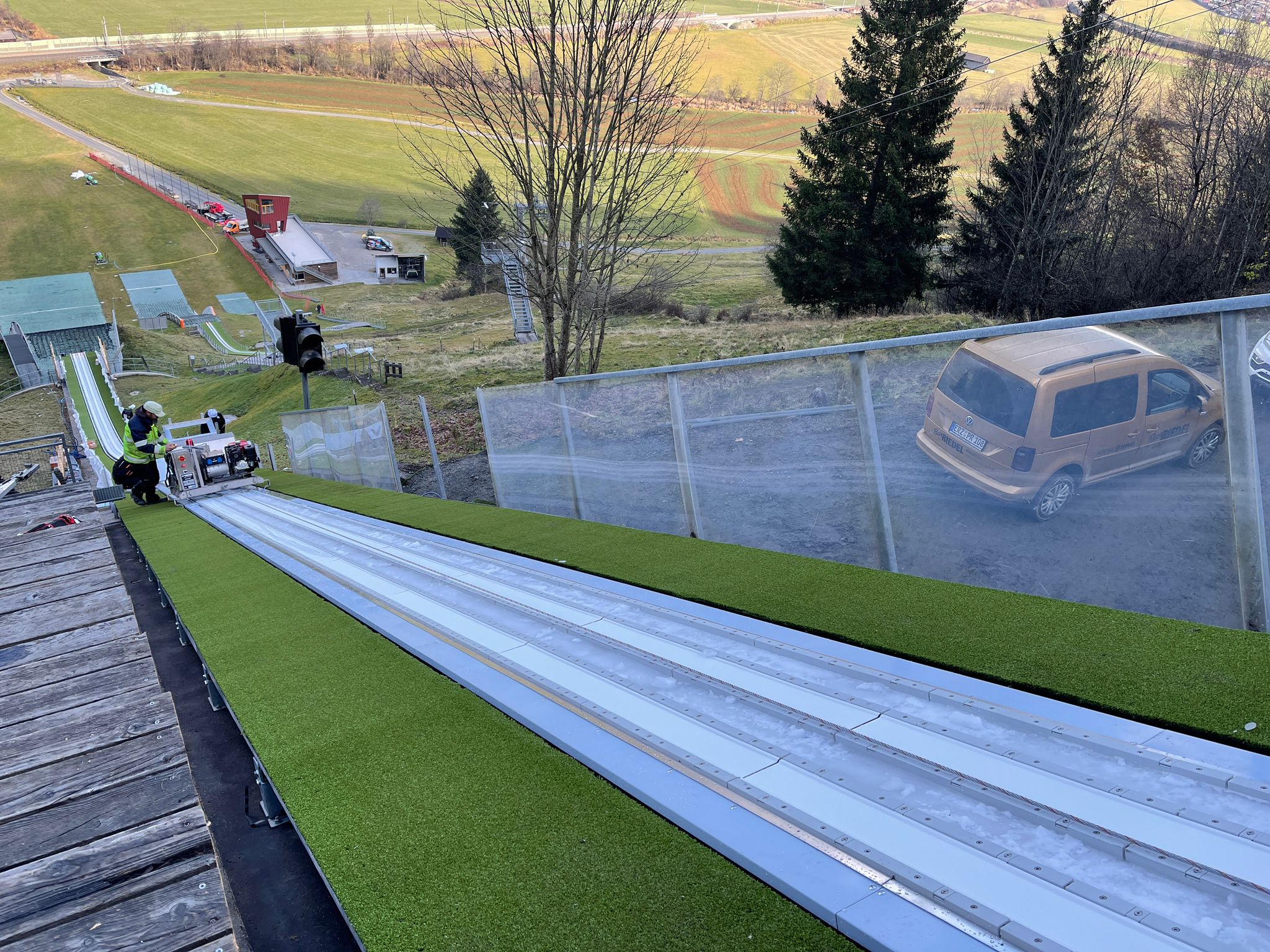
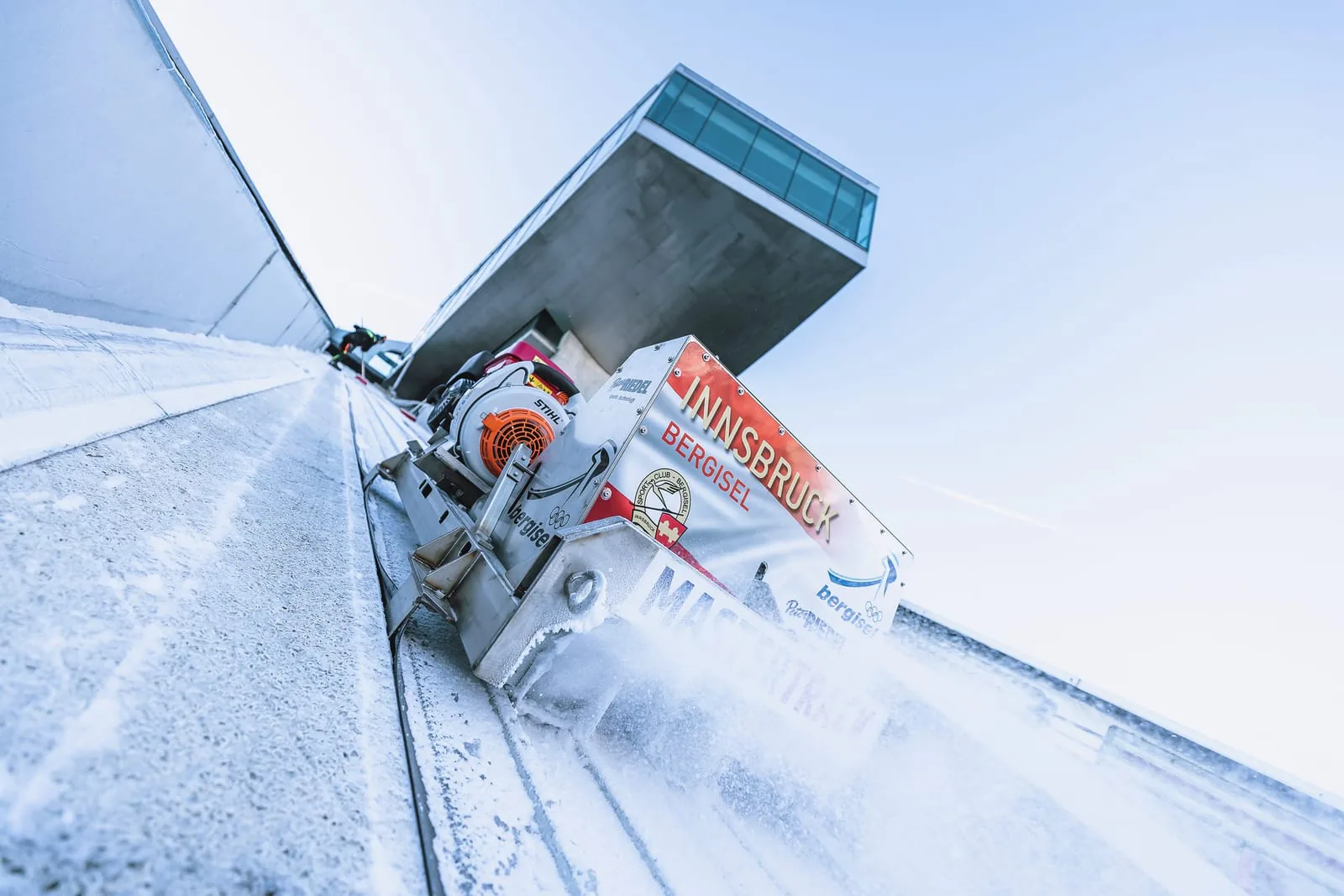
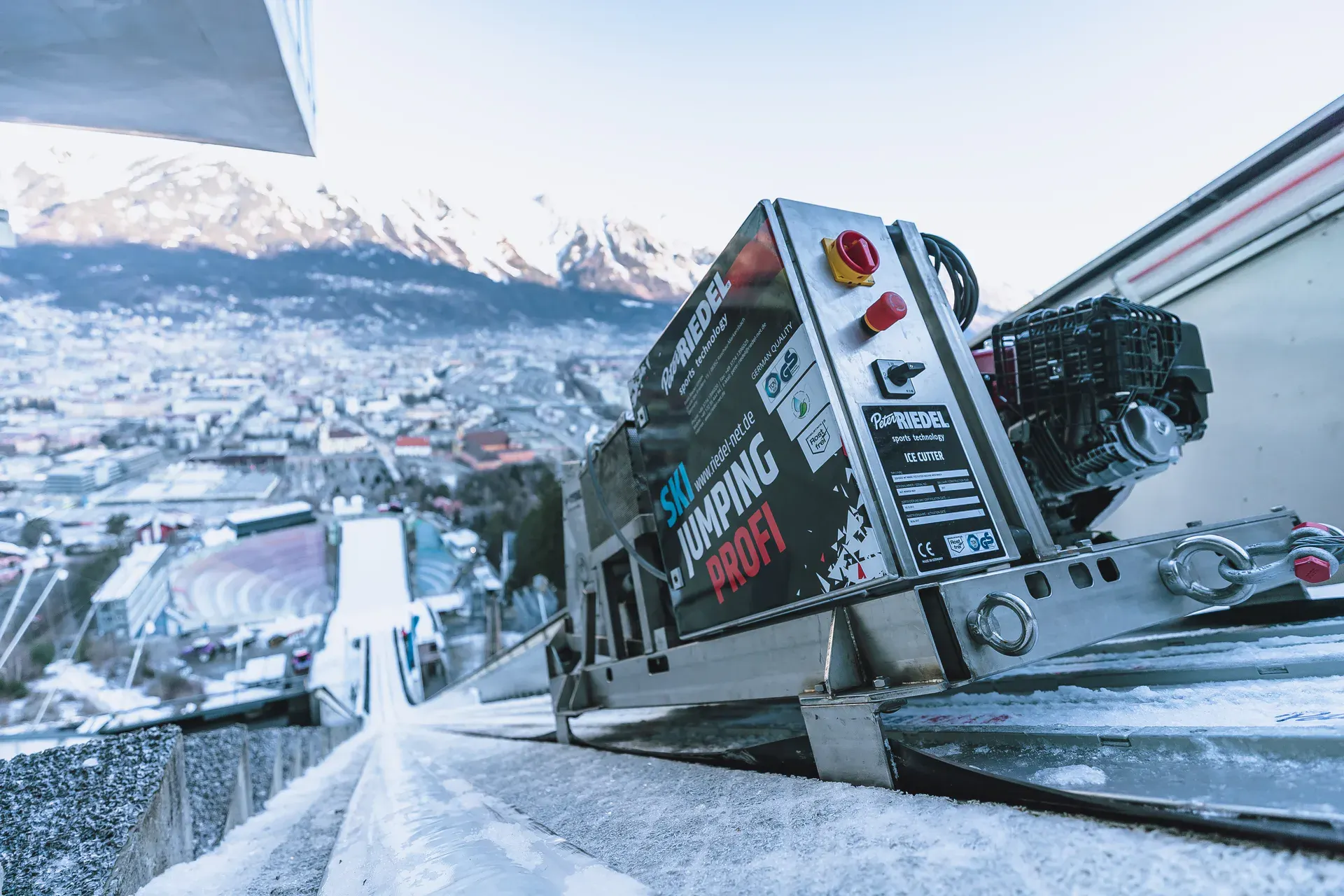
Ice Cutter by Peter Riedel on the take-off track of the Bergisel jump near Innsbruck

Submit a technical inquiry for the ski jump

Briefly describe what stands out about your ski jump. We will call you back and determine with you which technical service fits the inventory and the occasion.

Discuss findings